

This work aims to investigate the diagnostic accuracy of a nucleic acid amplification test (FluoroType MTB®) in pleural fluid (PF) and sputum to diagnose tuberculous pleural effusion (TPE). We also analyzed the increase in diagnostic accuracy of a second FluoroType MTB® test on a second thoracentesis sample when the first was negative.
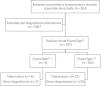
MétodosWe conducted a prospective single-center study that included 207 patients with pleural effusion (31 tuberculous and 176 due to other causes). Of the 31 cases of TPE, 21 (68%) were confirmed histologically or microbiologically; the other cases were considered probable.
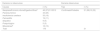
ResultadosThe operational characteristics of FluoroType MTB® in PF for identifying tuberculosis were a sensitivity of 13%, a specificity of 99%, a positive likelihood ratio of 11, and a negative likelihood ratio of 0.9. The diagnostic efficacy data for sputum samples were 21%, 91%, 2.4, and 0.9, respectively. PF and sputum cultures in solid and liquid media had greater sensitivity (36% and 31%, respectively). A second FluoroType MTB® test in PF was negative for 24 patients who had TPE and for whom the first FluoroType MTB® test was also negative. Only two (6.5%) patients with TPE had a confirmed diagnosis based exclusively on the positive results of the FluoroType MTB® in PF.
ConclusiónDue to its low sensitivity, the FluoroType MTB® test in PF has a limited role in diagnosing tuberculous pleurisy.
This work aims to investigate the diagnostic accuracy of a nucleic acid amplification test (FluoroType MTB®) in pleural fluid (PF) and sputum to diagnose tuberculous pleural effusion (TPE). We also analyzed the increase in diagnostic accuracy of a second FluoroType MTB® test on a second thoracentesis sample when the first was negative.
MethodsWe conducted a prospective single-center study that included 207 patients with pleural effusion (31 tuberculous and 176 due to other causes). Of the 31 cases of TPE, 21 (68%) were confirmed histologically or microbiologically; the other cases were considered probable.
ResultsThe operational characteristics of FluoroType MTB® in PF for identifying tuberculosis were a sensitivity of 13%, a specificity of 99%, a positive likelihood ratio of 11, and a negative likelihood ratio of 0.9. The diagnostic efficacy data for sputum samples were 21%, 91%, 2.4, and 0.9, respectively. PF and sputum cultures in solid and liquid media had greater sensitivity (36% and 31%, respectively). A second FluoroType MTB® test in PF was negative for 24 patients who had TPE and for whom the first FluoroType MTB® test was also negative. Only two (6.5%) patients with TPE had a confirmed diagnosis based exclusively on the positive results of the FluoroType MTB® in PF.
ConclusionDue to its low sensitivity, the FluoroType MTB® test in PF has a limited role in diagnosing tuberculous pleurisy.
Artículo
Diríjase desde aquí a la web de la >>>FESEMI<<< e inicie sesión mediante el formulario que se encuentra en la barra superior, pulsando sobre el candado.
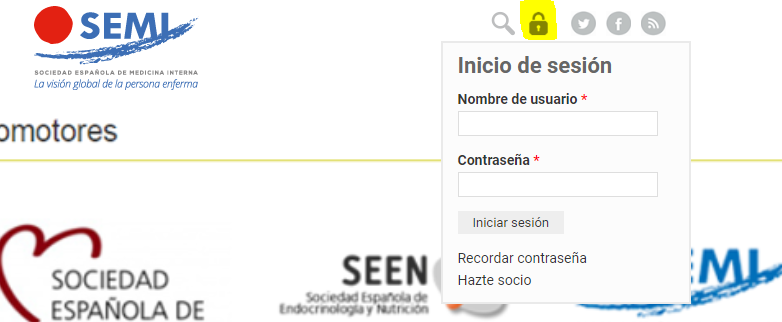
Una vez autentificado, en la misma web de FESEMI, en el menú superior, elija la opción deseada.

>>>FESEMI<<<