
Sugerencias
Idioma
Guía para autores
Buscador
Información de la revista
Vol. 217. Núm. 1.
Páginas 1-62 (Enero - Febrero 2017)
Cita
Cita
Compartir
Descargar PDF
Más opciones de artículo
Visitas
773
Vol. 217. Núm. 1.
Páginas 1-62 (Enero - Febrero 2017)
Review

Consensus Document of the Spanish Society of Cardiology and the Spanish Society of Internal Medicine on the diagnosis and treatment of iron deficiency in heart failure

Documento de consenso de la Sociedad Española de Cardiología y la Sociedad Española de Medicina Interna sobre el diagnóstico y tratamiento del déficit de hierro en la insuficiencia cardíaca
Visitas
773
N. Manitoa,
Autor para correspondencia
nml@bellvitgehospital.cat

Corresponding author.
, J.M. Cerqueirob, J. Comín-Coletc, J.M. García-Pinillad, A. González-Francoe, J. Grau-Amorósf, J.R. Perairag, L. Manzanoh
a Unidad de Insuficiencia Cardíaca y Trasplante Cardíaco, Hospital Universitario de Bellvitge, Barcelona, Spain
b Servicio de Medicina Interna, Hospital de Lugo, Lugo, Spain
c Grupo de Investigación Biomédica en Enfermedades del Corazón, Instituto Hospital del Mar de Investigaciones Médicas (IMIM), Barcelona, Spain
d Unidad de Insuficiencia Cardiaca y Cardiopatías Familiares, Servicio de Cardiología, Hospital Universitario Virgen de la Victoria, Málaga, Spain
e Unidad de Insuficiencia Cardíaca, Hospital Universitario Central de Asturias, Oviedo, Spain
f Servicio de Medicina Interna, Hospital Municipal de Badalona, Barcelona, Spain
g Servicio de Cardiología, Hospital Sant Joan de Déu de Martorell, Barcelona, Spain
h Unidad ICC y del Anciano, Hospital Ramón y Cajal, Madrid, Spain
Este artículo ha recibido
Información del artículo
Resumen
Texto completo
Bibliografía
Descargar PDF
Estadísticas
Abstract

Iron deficiency in patients with heart failure is a medical problem of recent particular interest. This interest has resulted from the publication of several clinical trials that demonstrated that the administration of intravenous iron to such patients improved their functional capacity and even reduced the number of hospitalisations for heart failure decompensation. However, applying the evidence from these studies in clinical practice is still controversial, both in terms of the diagnostic criteria for iron deficiency (absolute and functional) and the optimal method for iron replenishment. This article is a consensus document that integrates the recommendations of the Spanish Society of Internal Medicine and the Spanish Society of Cardiology. The article reviews the scientific evidence and proposes a diagnostic and therapeutic performance protocol for iron deficiency in heart failure.

Keywords:
Iron deficiency
Anemia
Heart failure
Intravenous iron
Resumen

El déficit de hierro en los pacientes con insuficiencia cardiaca es un problema médico que últimamente suscita un interés particular. Esto se debe a la publicación de varios ensayos clínicos que demuestran que la administración de hierro intravenoso en estos pacientes mejora su capacidad funcional, e incluso reduce los ingresos por descompensación de insuficiencia cardiaca. Sin embargo, la aplicación de la evidencia aportada por estos estudios en la práctica clínica es aún controvertida, tanto en los criterios diagnósticos del déficit de hierro, absoluto y funcional, como en la forma óptima de reposición del hierro. Este artículo es un documento de consenso que integra las recomendaciones de las Sociedades Españolas de Medicina Interna y Cardiología en el que se revisa la evidencia científica y se propone un protocolo de actuación diagnóstica y terapéutica del déficit de hierro en la insuficiencia cardiaca.

Palabras clave:
Déficit de hierro
Anemia
Insuficiencia cardiaca
Hierro intravenoso

Artículo

Opciones para acceder a los textos completos de la publicación Revista Clínica Española
Socio
Si es usted socio de FESEMI siga los siguientes pasos:

Diríjase desde aquí a la web de la >>>https://www.fesemi.org/publicaciones/revista-clinica/noticias<<< e inicie sesión mediante el formulario que se encuentra en la barra superior, pulsando sobre el candado.

Deslice el cursor hacia abajo hasta la sección "PUBLICACIONES" y pinche en "Revista Clínica Española":
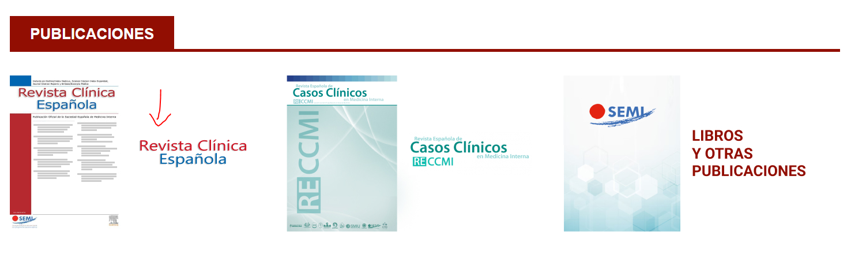
>>>https://www.fesemi.org/publicaciones/revista-clinica/noticias<<<


Suscriptor
Suscriptor de la revista

Si ya tiene sus datos de acceso, clique aquí.

Si olvidó su clave de acceso puede recuperarla clicando aquí y seleccionando la opción "He olvidado mi contraseña".
Suscribirse
Suscribirse a:
Revista Clínica Española
Comprar
Comprar acceso al artículo

Comprando el artículo el PDF del mismo podrá ser descargado

Comprar ahora
Contactar
Teléfono para suscripciones e incidencias
De lunes a viernes de 9h a 18h (GMT+1) excepto los meses de julio y agosto que será de 9 a 15h
Llamadas desde España
932 415 960
Llamadas desde fuera de España
+34 932 415 960
Email
References
[1]
S.A. Hunt, W.T. Abraham, M.H. Chin, A.M. Feldman, G.S. Francis, T.G. Ganiats, et al.
ACC/AHA 2005 Guideline Update for the Diagnosis and Management of Chronic Heart Failure in the Adult: a report of the American College of Cardiology/American Heart Association Task Force on Practice Guidelines (Writing Committee to Update the 2001 Guidelines for the Evaluation and Management of Heart Failure): developed in collaboration with the American College of Chest Physicians and the International Society for Heart and Lung Transplantation: endorsed by the Heart Rhythm Society.
Circulation, 112 (2005), pp. 154-235
[2]
J. Szachniewicz, J. Petruk-Kowalczyk, J. Majda, A. Kaczmarek, K. Reczuch, P.R. Kalra, et al.
Anaemia is an independent predictor of poor outcome in patients with chronic heart failure.
Int J Cardiol, 90 (2003), pp. 303-308
[3]
J. Sánchez-Torrijos, M. Gudín-Uriel, M. Nadal-Barangé, V. Jacas-Osborn, A. Trigo-Bautista, M. Giménez-Alcalá, et al.
Valor pronóstico de las cifras de hemoglobina en el momento del alta en pacientes hospitalizados por insuficiencia cardiaca.
Rev Esp Cardiol, 59 (2006), pp. 1276-1282
[4]
A.C. Salisbury, M. Kosiborod.
Outcomes associated with anemia in patients with heart failure.
Heart Fail Clin, 6 (2010), pp. 359-372
[5]
T.B. Horwich, G.C. Fonarow, M.A. Hamilton, W.R. MacLellan, J. Borenstein.
Anemia is associated with worse symptoms, greater impairment in functional capacity and a significant increase in mortality in patients with advanced heart failure.
J Am Coll Cardiol, 39 (2002), pp. 1780-1786
[6]
P.R. Kalra, A.P. Bolger, D.P. Francis, S. Genth-Zotz, R. Sharma, P.P. Ponikowski, et al.
Effect of anemia on exercise tolerance in chronic heart failure in men.
Am J Cardiol, 91 (2003), pp. 888-891
[7]
K.F. Adams, I.L. Piña, J.K. Ghali, L.E. Wagoner, S.H. Dunlap, T.A. Schwartz, et al.
Prospective evaluation of the association between hemoglobin concentration and quality of life in patients with heart failure.
Am Heart J, 158 (2009), pp. 965-971
[8]
A.K. Singh, L. Szczech, K.L. Tang, H. Barnhart, S. Sapp, M. Wolfson, et al.
Correction of anemia with epoetin alfa in chronic kidney disease.
N Engl J Med, 355 (2006), pp. 2085-2098
[9]
M.A. Pfeffer, E.A. Burdmann, C.-Y. Chen, M.E. Cooper, D. de Zeeuw, K.-U. Eckardt, et al.
A trial of darbepoetin alfa in type 2 diabetes and chronic kidney disease.
N Engl J Med, 361 (2009), pp. 2019-2032
[10]
S.D. Anker, J. Comin Colet, G. Filippatos, R. Willenheimer, K. Dickstein, H. Drexler, et al.
Ferric carboxymaltose in patients with heart failure and iron deficiency.
N Engl J Med, 361 (2009), pp. 2436-2448
[11]
M. Kapoor, M.D. Schleinitz, A. Gemignani, W.-C. Wu.
Outcomes of patients with chronic heart failure and iron deficiency treated with intravenous iron: a meta-analysis.
Cardiovasc Hematol Disord Drug Targets, 13 (2013), pp. 35-44
[12]
K. Swedberg, J.B. Young, I.S. Anand, S. Cheng, A.S. Desai, R. Diaz, et al.
Treatment of anemia with darbepoetin alfa in systolic heart failure.
N Engl J Med, 368 (2013), pp. 1210-1219
[13]
P. Ponikowski, D.J. van Veldhuisen, J. Comin-Colet, G. Ertl, M. Komajda, V. Mareev, et al.
Beneficial effects of long-term intravenous iron therapy with ferric carboxymaltose in patients with symptomatic heart failure and iron deficiency.
Eur Heart J, 36 (2015), pp. 657-668
[14]
G. Cairo, F. Bernuzzi, S. Recalcati.
A precious metal: iron, an essential nutrient for all cells.
Genes Nutr, 1 (2006), pp. 25-39
[15]
J.D. Haas, T. Brownlie.
Iron deficiency and reduced work capacity: a critical review of the research to determine a causal relationship.
J Nutr, 131 (2001), pp. 676S-688S
[discussion 688S–90S]
[16]
G. Guzmán Mentesana, A.L. Báez, M.S. Lo Presti, R. Domínguez, R. Córdoba, C. Bazán, et al.
Functional and structural alterations of cardiac and skeletal muscle mitochondria in heart failure patients.
Arch Med Res, 45 (2014), pp. 237-246
[17]
M. Bayeva, M. Gheorghiade, H. Ardehali.
Mitochondria as a therapeutic target in heart failure.
J Am Coll Cardiol, 61 (2013), pp. 599-610
[18]
G.J. Handelman, N.W. Levin.
Iron and anemia in human biology: a review of mechanisms.
Heart Fail Rev, 13 (2008), pp. 393-404
[19]
I.J. Schultz, C. Chen, B.H. Paw, I. Hamza.
Iron and porphyrin trafficking in heme biogenesis.
J Biol Chem, 285 (2010), pp. 26753-26759
[20]
B. Singh, S. Arora, P. Agrawal, S.K. Gupta.
Hepcidin: a novel peptide hormone regulating iron metabolism.
Clin Chim Acta, 412 (2011), pp. 823-830
[21]
J.J.C. Kroot, H. Tjalsma, R.E. Fleming, D.W. Swinkels.
Hepcidin in human iron disorders: diagnostic implications.
Clin Chem, 57 (2011), pp. 1650-1669
[22]
M.W. Hentze, M.U. Muckenthaler, B. Galy, C. Camaschella.
Two to tango: regulation of Mammalian iron metabolism.
[23]
E. Nemeth, T. Ganz.
The role of hepcidin in iron metabolism.
Acta Haematol, 122 (2009), pp. 78-86
[24]
E.A. Jankowska, J. Malyszko, H. Ardehali, E. Koc-Zorawska, W. Banasiak, S. von Haehling, et al.
Iron status in patients with chronic heart failure.
Eur Heart J, 34 (2013), pp. 827-834
[25]
E.A. Jankowska, S. von Haehling, S.D. Anker, I.C. Macdougall, P. Ponikowski.
Iron deficiency and heart failure: diagnostic dilemmas and therapeutic perspectives.
Eur Heart J, 34 (2013), pp. 816-829
[26]
A. Cohen-Solal, C. Leclercq, G. Deray, S. Lasocki, J.-J. Zambrowski, A. Mebazaa, et al.
Iron deficiency: an emerging therapeutic target in heart failure.
Heart, 100 (2014), pp. 1414-1420
[27]
P. Ponikowski, A.A. Voors, S.D. Anker, H. Bueno, J.G. Cleland, A.J. Coats, et al.
2016 ESC Guidelines for the diagnosis and treatment of acute and chronic heart failure: The Task Force for the diagnosis and treatment of acute and chronic heart failure of the European Society of Cardiology (ESC).
Eur Heart J, 37 (2016), pp. 2129-2200
[28]
J.N. Nanas, C. Matsouka, D. Karageorgopoulos, A. Leonti, E. Tsolakis, S.G. Drakos, et al.
Etiology of anemia in patients with advanced heart failure.
J Am Coll Cardiol, 48 (2006), pp. 2485-2489
[29]
L. Peyrin-Biroulet, N. Williet, P. Cacoub.
Guidelines on the diagnosis and treatment of iron deficiency across indications: a systematic review.
Am J Clin Nutr, 102 (2015), pp. 1585-1594
[30]
A. Koulaouzidis, E. Said, R. Cottier, A.A. Saeed.
Soluble transferrin receptors and iron deficiency, a step beyond ferritin. A systematic review.
J Gastrointestin Liver Dis, 18 (2009), pp. 345-352
[31]
E.A. Jankowska, M. Kasztura, M. Sokolski, M. Bronisz, S. Nawrocka, W. Oleśkowska-Florek, et al.
Iron deficiency defined as depleted iron stores accompanied by unmet cellular iron requirements identifies patients at the highest risk of death after an episode of acute heart failure.
Eur Heart J, 35 (2014), pp. 2468-2476
[32]
M. Franchini, M. Montagnana, G. Lippi.
Hepcidin and iron metabolism: from laboratory to clinical implications.
Clin Chim Acta, 411 (2010), pp. 1565-1569
[33]
K. Tsuchiya, K. Nitta.
Hepcidin is a potential regulator of iron status in chronic kidney disease.
Ther Apher Dial, 17 (2013), pp. 1-8
[34]
A.E. Dugdale.
Predicting iron and folate deficiency anaemias from standard blood testing: the mechanism and implications for clinical medicine and public health in developing countries.
Theor Biol Med Model, 3 (2006), pp. 34
[35]
B.T. Constantino.
Red cell distribution width, revisited.
Lab Med, 44 (2013), pp. e2-e9
[36]
Y. Al-Najjar, K.M. Goode, J. Zhang, J.G.F. Cleland, A.L. Clark.
Red cell distribution width: an inexpensive and powerful prognostic marker in heart failure.
Eur J Heart Fail, 11 (2009), pp. 1155-1162
[37]
D.A. Pascual-Figal, J.C. Bonaque, B. Redondo, C. Caro, S. Manzano-Fernandez, J. Sánchez-Mas, et al.
Red blood cell distribution width predicts long-term outcome regardless of anaemia status in acute heart failure patients.
Eur J Heart Fail, 11 (2009), pp. 840-846
[38]
E.M. Van Craenenbroeck, V.M. Conraads, N. Greenlaw, G. Gaudesius, C. Mori, P. Ponikowski, et al.
The effect of intravenous ferric carboxymaltose on red cell distribution width: a subanalysis of the FAIR-HF study.
Eur J Heart Fail, 15 (2013), pp. 756-762
[39]
M. Nagao, Y. Matsuo, T. Kamitani, M. Yonezawa, Y. Yamasaki, S. Kawanami, et al.
Quantification of myocardial iron deficiency in nonischemic heart failure by cardiac T2* magnetic resonance imaging.
Am J Cardiol, 113 (2014), pp. 1024-1030
[40]
E.A. Jankowska, P. Rozentryt, A. Witkowska, J. Nowak, O. Hartmann, B. Ponikowska, et al.
Iron deficiency: an ominous sign in patients with systolic chronic heart failure.
Eur Heart J, 31 (2010), pp. 1872-1880
[41]
E.A. Jankowska, P. Rozentryt, A. Witkowska, J. Nowak, O. Hartmann, B. Ponikowska, et al.
Iron deficiency predicts impaired exercise capacity in patients with systolic chronic heart failure.
J Card Fail, 17 (2011), pp. 899-906
[42]
D.O. Okonko, A. Grzeslo, T. Witkowski, A.K.J. Mandal, R.M. Slater, M. Roughton, et al.
Effect of intravenous iron sucrose on exercise tolerance in anemic and nonanemic patients with symptomatic chronic heart failure and iron deficiency FERRIC-HF: a randomized, controlled, observer-blinded trial.
J Am Coll Cardiol, 51 (2008), pp. 103-112
[43]
I.J.T. Klip, J. Comin-Colet, A.A. Voors, P. Ponikowski, C. Enjuanes, W. Banasiak, et al.
Iron deficiency in chronic heart failure: an international pooled analysis.
Am Heart J, 165 (2013),
575–82.e3
[44]
KDOQI Clinical practice guideline and clinical practice recommendations for anemia in chronic kidney disease: 2007 update of hemoglobin target.
Am J Kidney Dis, 50 (2007), pp. 471-530
[45]
E.A. Jankowska, K. Wojtas, M. Kasztura, G. Mazur, A. Butrym, E. Kalicinska, et al.
Bone marrow iron depletion is common in patients with coronary artery disease.
Int J Cardiol, 182 (2015), pp. 517-522
[46]
H.F. Groenveld, J.L. Januzzi, K. Damman, J. van Wijngaarden, H.L. Hillege, D.J. van Veldhuisen, et al.
Anemia and mortality in heart failure patients a systematic review and meta-analysis.
J Am Coll Cardiol, 52 (2008), pp. 818-827
[47]
M. Klapholz, W.T. Abraham, J.K. Ghali, P. Ponikowski, S.D. Anker, B. Knusel, et al.
The safety and tolerability of darbepoetin alfa in patients with anaemia and symptomatic heart failure.
Eur J Heart Fail, 11 (2009), pp. 1071-1077
[48]
K.K.A. Witte, R. Desilva, S. Chattopadhyay, J. Ghosh, J.G.F. Cleland, A.L. Clark.
Are hematinic deficiencies the cause of anemia in chronic heart failure?.
Am Heart J, 147 (2004), pp. 924-930
[49]
J. Comin-Colet, M. Lainscak, K. Dickstein, G.S. Filippatos, P. Johnson, T.F. Lüscher, et al.
The effect of intravenous ferric carboxymaltose on health-related quality of life in patients with chronic heart failure and iron deficiency: a subanalysis of the FAIR-HF study.
Eur Heart J, 34 (2013), pp. 30-38
[50]
P. Ponikowski, G. Filippatos, J.C. Colet, R. Willenheimer, K. Dickstein, T. Lüscher, et al.
The impact of intravenous ferric carboxymaltose on renal function: an analysis of the FAIR-HF study.
Eur J Heart Fail, 17 (2015), pp. 329-339
[51]
J.E. Toblli, A. Lombraña, P. Duarte, F. di Gennaro.
Intravenous iron reduces NT-pro-brain natriuretic peptide in anemic patients with chronic heart failure and renal insufficiency.
J Am Coll Cardiol, 50 (2007), pp. 1657-1665
[52]
A. Sandek, M. Rauchhaus, S.D. Anker, S. von Haehling.
The emerging role of the gut in chronic heart failure.
Curr Opin Clin Nutr Metab Care, 11 (2008), pp. 632-639
[53]
L. Beck-da-Silva, D. Piardi, S. Soder, L.E. Rohde, A.C. Pereira-Barretto, D. de Albuquerque, et al.
IRON-HF study: a randomized trial to assess the effects of iron in heart failure patients with anemia.
Int J Cardiol, 168 (2013), pp. 3439-3442
[54]
G. Chandler, J. Harchowal, I.C. Macdougall.
Intravenous iron sucrose: establishing a safe dose.
Am J Kidney Dis, 38 (2001), pp. 988-991
[55]
S. Neiser, D. Rentsch, U. Dippon, A. Kappler, P.G. Weidler, J. Göttlicher, et al.
Physico-chemical properties of the new generation IV iron preparations ferumoxytol, iron isomaltoside 1000 and ferric carboxymaltose.
Biometals, 28 (2015), pp. 615-635
[56]
European Medicines Agency.
Assessment report for: iron containing intravenous (IV) medicinal products.
(2013),
Procedure number: EMEA/H/A-31/1322. Available from: http://www.ema.europa.eu/docs/en_GB/document_library/Referrals_document/IV_iron_31WC500150771.pdf [accessed 13.09.13]
[57]
G.M. Keating.
Ferric carboxymaltose: a review of its use in iron deficiency.
[58]
A.P. Bolger, F.R. Bartlett, H.S. Penston, J. O’Leary, N. Pollock, R. Kaprielian, et al.
Intravenous iron alone for the treatment of anemia in patients with chronic heart failure.
J Am Coll Cardiol, 48 (2006), pp. 1225-1227
[59]
T.A. Koch, J. Myers, L.T. Goodnough.
Intravenous iron therapy in patients with iron deficiency anemia: dosing considerations.
Anemia, (2015), pp. 763576
[60]
S.D. Anker, J. Comin-Colet, G. Filippatos, F. Ruschitzka, G.P. Arutyunov, M. Motro, et al.
Ferric carboxymaltose in iron deficient heart failure patients: a meta-analysis on individual patient data.
Eur Heart J, 36 (2015), pp. 494
[P2796]
[61]
F.S. Gutzwiller, A.M. Pfeil, J. Comin-Colet, P. Ponikowski, G. Filippatos, C. Mori, et al.
Determinants of quality of life of patients with heart failure and iron deficiency treated with ferric carboxymaltose: FAIR-HF sub-analysis.
Int J Cardiol, 168 (2013), pp. 3878-3883
[62]
J. Comín-Colet, D. Rubio-Rodríguez, C. Rubio-Terrés, C. Enjuanes-Grau, F.S. Gutzwiller, S.D. Anker, et al.
Evaluación económica de la utilización de hierro carboximaltosa en pacientes con deficiencia de hierro e insuficiencia cardiaca crónica en España.
Rev Esp Cardiol, 68 (2015), pp. 846-851
[63]
J.A. Sacristán, J. Oliva, J. del Llano, L. Prieto, J.L. Pinto.
¿Qué es una tecnología sanitaria eficiente en España?.
Gac Sanit, 16 (2002), pp. 334-343
[64]
D.S. Silverberg, D. Wexler, A. Iaina.
The importance of anemia and its correction in the management of severe congestive heart failure.
Eur J Heart Fail, 4 (2002), pp. 681-686
[65]
J. Comín-Colet, C. Enjuanes, G. González, A. Torrens, M. Cladellas, O. Meroño, et al.
Iron deficiency is a key determinant of health-related quality of life in patients with chronic heart failure regardless of anaemia status.
Eur J Heart Fail, 15 (2013), pp. 1164-1172
[66]
C. Enjuanes, I.J.T. Klip, J. Bruguera, M. Cladellas, P. Ponikowski, W. Banasiak, et al.
Iron deficiency and health-related quality of life in chronic heart failure: results from a multicenter European study.
Int J Cardiol, 174 (2014), pp. 268-275
[67]
R.I. Usmanov, E.B. Zueva, D.S. Silverberg, M. Shaked.
Intravenous iron without erythropoietin for the treatment of iron deficiency anemia in patients with moderate to severe congestive heart failure and chronic kidney insufficiency.
J Nephrol, 21 (2008), pp. 236-242
Idiomas
Revista Clínica Española
Opciones de artículo
Herramientas