


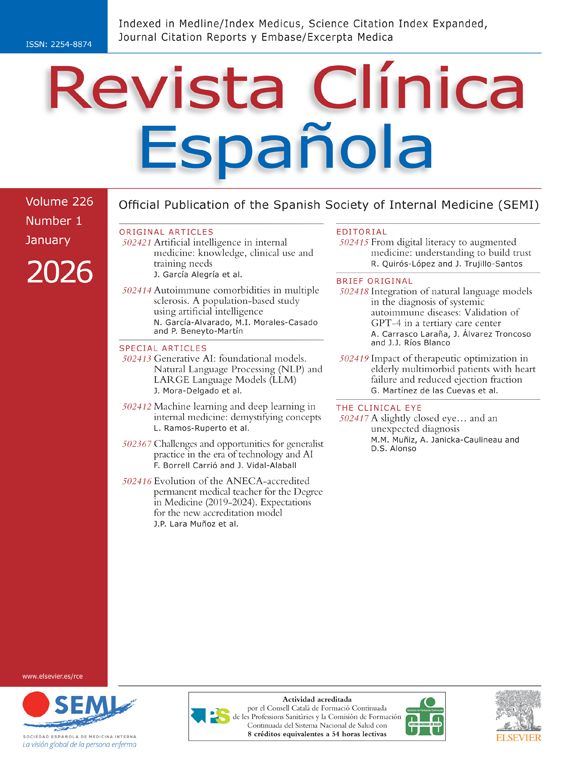



To describe the sociodemographic and clinical characteristics and management of patients with phenylketonuria (PKU) followed in centres, services, and reference units (CSUR) or clinical excellence units specialised in inborn errors of metabolism (IEM). Additionally, to determine patients’ health-related quality of life (HRQoL).
MethodsObservational, cross-sectional, descriptive study conducted with Spanish PKU patients attending CSUR centres or clinical excellence units specialised in IEM during the study period.
ResultsThe study included 55 patients (54 adults and one teenager) with different PKU phenotypes. The mean (SD) age was 32.1 (9.7) years, with 69.1% women.
The most frequent phenotype at diagnosis was classical PKU (67.3%). Mean (SD) plasma Phe levels at diagnosis were 901.9 (606.1) µmol/L and 422.8 (288.9) µmol/L in the last year.
Neurological symptoms were present in 23.6% of patients, the most frequent being intellectual disability (21.8%). Psychological symptoms were present in 34.5% of patients, the most frequent being anxiety (14.5%) and depression (12.7%).
Of the patients, 85.5% responded to the EQ-5D-5L questionnaire. Of these, 44.7% of patients reported no anxiety or depression, while 34.0% had mild anxiety or depression. The mean (SD) EQ-VAS value was 80.9 (15.2).
Forty-one (74.5%) patients responded to the PKU-QoL questionnaire. The results indicated that PKU patients perceived the impact of their disease to be moderate across all domains included in the questionnaire.
ConclusionsAdults with PKU may experience neurological or psychological symptoms including intellectual disability, anxiety, and depression. However, their HRQoL was found to be good and comparable to that of the general population.
Describir las características sociodemográficas y clínicas y el manejo de los pacientes con fenilcetonuria (PKU) en centros, servicios o unidades de referencia (CSUR) o unidades de excelencia clínica especializados en errores congénitos del metabolismo (ECM). Además, determinar la calidad de vida relacionada con la salud (CVRS) de los pacientes.
MétodosEstudio observacional transversal y descriptivo realizado con pacientes con PKU que acudieron a centros CSUR o unidades de excelencia clínica especializadas en ECM durante el periodo del estudio.
ResultadosSe incluyeron 55 pacientes (54 adultos y un adolescente) con diferentes fenotipos PKU. La edad media (DE) fue de 32,1 (9,7) años, siendo el 69,1% mujeres.
El fenotipo más frecuente al diagnóstico fue PKU clásica (67,3%). La media (DE) de Phe plasmática al diagnóstico fue de 901,9 (606,1) µmol/L y de 422,8 (288,9) µmol/L en el último año. El 23,6% de los pacientes presentaban síntomas neurológicos, siendo el más frecuente la discapacidad intelectual (21,8%). Los síntomas psicológicos estaban presentes en el 34,5% de los pacientes, siendo los más frecuentes la ansiedad (14,5%) y la depresión (12,7%).
El 85,5% de los pacientes respondieron el cuestionario EQ-5D-5L. De estos, el 44,7% no reportaron ansiedad o depresión, mientras que el 34,0% tenían ansiedad o depresión leve. La puntuación media (DE) de EQ-VAS fue de 80,9 (15,2).
Cuarenta y un (74,5%) pacientes respondieron el cuestionario PKU-QoL. Los resultados indicaron que los pacientes con PKU percibían que el impacto de la enfermedad era moderado en todos los dominios del cuestionario.
ConclusionesLos adultos con PKU podrían sufrir síntomas neurológicos o psicológicos como discapacidad intelectual, ansiedad y depresión. Sin embargo, su CVRS era buena y comparable a la de la población general.
Phenylketonuria (PKU) is a rare autosomal recessive disease caused by pathogenic variants in the genes encoding phenylalanine hydroxylase (PAH). This enzyme converts phenylalanine (Phe) to tyrosine, requiring tetrahydrobiopterin (BH4) as cofactor.1-3 PAH deficiency leads to elevated Phe in the blood, which cross the blood-brain barrier and impairs brain development and function.2 The estimated prevalence in Europe is 1 in 10,000 live births.4
PKU causes progressive intellectual disability if untreated,5 which may lead to hypopigmentation of the skin, hair, and eyes, unresponsive eczema, and a musty body odor.5 Therefore, neonatal screening for PKU is mandatory across the European Union to prevent severe outcomes.6 At diagnosis, patients with PKU present Phe levels ranging from 150 to over 1200 μmol/L, defining four phenotypes based on protein tolerance: classical (Phe > 1200 μmol/L); moderate (Phe 600–1200 μmol/L), mild (Phe 360–600 μmol/L), and benign hyperphenylalaninemia (Phe 150–360 μmol/L), the latter not requiring dietary restrictions.7
PKU treatments aim to decrease blood Phe levels.2 Dietary management involves a low-Phe diet and Phe-free low-protein amino acid supplements.2 Some patients respond to sapropterin, a synthetic PAH cofactor that functions as the natural cofactor BH4, which lowers Phe levels and increases dietary tolerance.8 According to European guidelines,2,9 treatment is unnecessary for patients with blood Phe concentrations below 360 μmol/Ld but required for levels above 600 μmol/L.
In Spain, early intervention and improved management have increased PKU patient survival and reduced morbidity, even though patients require lifelong clinical and biochemical monitoring.10 Uncontrolled Phe levels, nutrient deficiencies, and poor dietary habits can lead to neurological or neuropsychological complications and obesity,11 making dietary adherence closely linked to the prognosis of PKU. Abandoning such treatment could result in potential neurological regression.12 While PKU patients generally have good health-related quality of life (HRQoL), the disease negatively impacts their emotional well-being, particularly due to anxiety related to elevated blood Phe levels.13 Improved survival rates highlight the need for enhanced monitoring and care management in referral centres, mainly recognised as CSUR (the Spanish acronym for centres, services and reference units), or units of clinical excellence.
Therefore, this study aims to describe the characteristics, HRQoL and management of adult PKU patients in CSUR centres or clinical excellence units.
MethodsStudy designThis is an observational, cross-sectional, descriptive study carried out in Spanish patients with PKU who attended and were followed up in CSUR centres or clinical excellence units specialised in inborn errors of metabolism (IEM) during the study period.
The primary objectives of the study were to describe the sociodemographic and clinical characteristics and the clinical management of adult patients with PKU who were followed up in CSUR centres or clinical excellence units specialised in IEM. The secondary objectives were to determine HRQoL of adult patients with PKU and to establish the main neuropsychological symptoms of these patients.
The study was approved by the Institutional Review Board of the Hospital 12 de Octubre (Madrid) (file number: 18/511) and developed according to the principles of the Declaration of Helsinki.
Study participantsSpecialist clinicians from five of the eight CSUR or clinical units of excellence specialised in IEM and managing patients with PKU participated in the study (Sup. Table 1).
Patients ≥16 years of age diagnosed with PKU or benign hyperphenylalaninemia with genetic confirmation who attended a CSUR or clinical unit of excellence specialised in IEM were included in the study. Patients without a well-documented clinical history were excluded. All participating patients signed a written informed consent.
VariablesSociodemographic (age, sex, height, weight, education level, employment status, and family status), clinical (related to diagnosis, Phe levels, and treatment) characteristics, and HRQoL questionnaires were collected from patients.
Clinical characteristics included age of diagnosis, Phe levels at diagnosis, PKU phenotypes, responsiveness to BH4, intelligence quotient (IQ), Barthel index, genotypes, dietary control index (DCI, calculated as the mean of the medians of the patient’s lifetime phenylalanine values), neurological symptoms (intellectual disability, poor motor coordination, epilepsy or tremor) and psychological symptoms (anxiety, depression, social isolation, low self-esteem, attention deficit, impulsivity, agoraphobia, hyperactivity or aggressiveness), treatment received and compliance with treatment, programmed visits and blood tests according to the patient's history. In the BH4 overload test, a reduction in plasma Phe levels of 30%−50% was considered as a positive response.14 Patients IQ was determined and classified into seven categories using the Wechsler Adult Intelligence Scale (WAIS) III/IV: superior (120−129), high average (110−119), average (90−109), low average (80−89), borderline (70−79), and extremely low (<69). The Barthel index is used to assess (score ranging from 0 to 100) and classify patients’ dependency level into five categories: total (0−20), severe (21–60), moderate (61–90), low (91–99), and independent (100).15
To assess patients’ HRQoL the Spanish versions of the EuroQoL (EQ-5D-5L) and PKU-QoL questionnaires were used. The EQ-5D-5L comprises five domains: mobility, personal care, usual activities, pain/discomfort, and anxiety/depression.16 This questionnaire also collected the EQ-visual analogue scale (VAS) score (ranging from 0 to 100). The EQ-VAS records the patient’s self-rated health.16 The impact of PKU and its treatment on patients’ daily life was assessed using the PKU-specific questionnaire PKU-QoL, which has been previously validated and adapted to the Spanish population.17 This questionnaire consists of 65 questions covering the following domains: symptoms, general feelings on PKU, supplements administration, diet protein intake restriction, and social aspects.17 The degree of severity of each domain was classified as follows: low/nothing (0−25), moderate (26–50), major (51–75), and very severe (>75).13
Statistical analysisDescriptive statistics were calculated. For quantitative variables, measures of centrality (mean, median) and dispersion (standard deviation [SD], quartiles, minimum and maximum) were calculated. For qualitative variables, relative and absolute frequencies were obtained.
A subgroup analysis was carried out considering a patient classification based on the median DCI value obtained during the last year. Patients were classified as having an acceptable (<600 µmol/L) or poor DCI (>600 µmol/L). The following variables were used for the subgroup analysis: neurological and psychological symptoms, body mass index (BMI), and main domains from the EQ-5D-5L and PKU-QoL questionnaires. The limited sample in the poor DCI subgroup (n = 13) and the disparity in group size (acceptable DCI, n = 40) precluded the ability to perform statistical analyses to establish significant differences between the subgroups. Nevertheless, the aim of the study was to describe, not to compare, each subgroup (poor and acceptable DCI) and the results within each of them. Given the nature of the pathology, it was very difficult to obtain superior patient samples, a recurring problem in rare diseases.
All statistical analyses were performed using the statistical package STATA version 14.
ResultsPatient sociodemographic characteristicsA total of 55 patients (54 adults and one teenager) with different PKU phenotypes, from 16 to 53 years old (mean age = 32.1 years old; SD = 9.7), were included in the study. The female population comprised 69.1% of the sample and 40% of the patients had a stable job. Sociodemographic characteristics of the sample are shown in Table 1. Patients had a mean BMI of 26.5 (SD = 6.2) kg/m2, with approximately 60% of them presenting overweight or obesity.
Sociodemographic characteristics of patients included in the study.
| Patients (N = 55) | |
|---|---|
| Sex, n (%) | |
| Men | 17 (30.9) |
| Women | 38 (69.1) |
| Education level, n (%) | |
| Primary studies | 10 (18.2) |
| Secondary studies | 6 (10.9) |
| High school studies | 3 (5.5) |
| Vocational studies | 18 (37.2) |
| University studies | 9 (16.4) |
| Postgraduate studies | 1 (1.8) |
| Not reported (NR) | 8 (14.6) |
| Employment status, n (%) | |
| Stable job | 22 (40.0) |
| Job placement assistance | 4 (7.3) |
| Work at home | 2 (3.6) |
| Unemployed | 13 (23.6) |
| Inability to work | 8 (14.6) |
| NR | 6 (10.9) |
| Family status – marital status, n (%) | |
| Stable relationship | 17 (30.9) |
| Single | 37 (69.3) |
| NR | 1 (1.8) |
| Family status – children, n (%) | |
| No children | 48 (87.3) |
| With children | 7 (12.7) |
| 1 | 3 (42.9) |
| 2 | 3 (42.9) |
| 3 | 1 (14.3) |
NR: Not reported.
Most patients (n = 36, 65.5%) were diagnosed through neonatal screening, and the most common phenotype at diagnosis was classic PKU, affecting 37 (67.3%) patients. The BH4 overload test was carried out in 42 (76.4%) patients, most of whom showed a poor response, with a reduction of Phe levels <30% (n = 32, 76.2%). At the time of inclusion, 15 patients presented a borderline or very low IQ, while 37 (67.3%) were functionally independent according to the Barthel index (Table 2 and Sup. Table 2).
Clinical characteristics related to the diagnosis of patients included in the study.
| Patients (N = 55) | |
|---|---|
| Age at diagnosis, n (%) | |
| Neonatal screening | 36 (65.5) |
| 0−2 years | 6 (10.9) |
| 3−10 years | 12 (21.8) |
| 11−16 years | 1 (1.8) |
| PKU severity phenotype, n (%) | |
| Benign hyperphenylalaninemia | 5 (9.1) |
| Mild PKU | 4 (7.3) |
| Moderate PKU | 8 (14.6) |
| Classic PKU (Phe > 1200 µmol/L) | 37 (67.3) |
| NR | 1 (1.8) |
| Response to BH4 overload test, n (%) | |
| Good (reduction > 50%) | 5 (11.9) |
| Mild (30%−50% reduction) | 4 (9.5) |
| Poor (reduction < 30%) | 32 (76.2) |
| NR | 1 (2.4) |
| IQ (WAIS III/IV), n (%) | |
| Superior (120−129) | 2 (3.6) |
| High average (110−119) | 6 (10.9) |
| Average (90−109) | 12 (21.8) |
| Low average (80−89) | 3 (5.5) |
| Borderline (70−79) | 5 (9.1) |
| Extremely low (<69) | 10 (18.2) |
| NR | 17 (30.9) |
NR: not reported; IQ: intelligence quotient.
The mean Phe plasma level at diagnosis was 901.9 (SD = 606.1) µmol/L and 422.8 (SD = 288.9) µmol/L during the previous year. Additionally, the mean dietary Phe tolerance was 821.8 (SD = 928.2) mg/day, with most of patients presenting a tolerance <500 mg/day (n = 21, 38.2%) and a median DCI during the previous year of <480 µmol/L (n = 29, 52.7%) (Sup. Table 2).
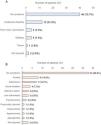
Neurological and psychological symptomsOverall, 13 patients (23.6%) had neurological symptoms. Of these, eight (14.5%) patients presented a single symptom, while five (9.1%) presented two or more symptoms. The most common neurological symptom was intellectual disability, observed in 12 (21.8%) patients (Fig. 1A).

On the other hand, 19 (34.5%) patients presented psychological symptoms, with 10 (18.2%) and nine (16.4%) patients having one and two or more symptoms, respectively. Anxiety (n = 8, 14.5%) and depression (n = 7, 12.7%) were the most common symptoms observed (Fig. 1B).
TreatmentA diet with Phe-free supplements (n = 32 [58.2%] and n = 35 [63.6%], respectively) and a Phe-restricted diet (n = 22 [40.0%] and n = 9 [16.4%], respectively) were the most frequently used treatments, both at diagnosis and at present (Sup. Fig. 1). Moreover, most patients (n = 47, 85.5%) did not receive pharmacological treatment for PKU-related neuropsychological symptoms (Sup. Fig. 1).
On the other hand, most of the patients (n = 35, 63.6%) demonstrated high compliance, particularly with scheduled medical visits (n = 48, 87.3%) and the blood tests required by their physician (n = 40, 80.0%) (Sup. Table 3).
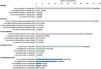
HRQoLEQ-5D-5LForty-seven (85.5%) of the participating patients responded the EQ-5D-5L questionnaire. Over 75% of them did not present problems regarding mobility, self-care, usual activities, and pain/discomfort (Fig. 2). Twenty-one patients (44.7%) reported not feeling anxious or depressed, while 16 (34.0%) reported having mild anxiety or depression (Fig. 2). Additionally, the mean EQ-VAS was 80.9 (SD = 15.2).
PKU-QoL
Patients with PKU reported that their condition had a moderate impact across all domains assessed by the PKU-QoL questionnaire (Overall PKU impact: mean = 35.3, SD = 14.9). Higher scores on this questionnaire indicate a greater negative impact of the disease in the quality of life. Overall, the participating teenager scored higher in all domains except for the PKU symptoms (Table 3).
Mean and SD values obtained in each domain of the PKU-QoL questionnaire.
| Adults (n = 40) | Teenager (n = 1) | |
|---|---|---|
| Symptoms, mean (SD) | 30.3 (17.5) | 13.6 |
| Overall PKU impact, mean (SD) | 35.3 (14.9) | 41.1 |
| Supplements administration, mean (SD) | 29.1 (15.5) | 43.2 |
| Dietary protein restriction, mean (SD) | 29.5 (19.7) | 42.1 |
| Total, mean (SD) | 31.1 (14.2) | 36.6 |
SD: standard deviation.
According to the DCI, 40 (72.7%) patients presented an acceptable control, while 13 (23.6%) patients showed a poor DCI control.
In both groups, the most common neurological symptom was intellectual disability (acceptable control: 22.5%; poor control: 23.1%). A higher proportion of patients with poor DCI control presented anxiety (23.1% vs 12.5%) and depression (30.8% vs 7.5%) compared with those with an acceptable control (Sup. Table 3). However, statistically significant differences could not be established.
On the other hand, according to the results obtained in the EQ-5D-5L questionnaire, a higher proportion of patients with poor control presented more problems in all domains and a lower mean EQ-VAS score (77.2 [SD = 20.9] vs 81.9 [SD = 13.9]) compared with patients with an acceptable control (Sup. Table 3). Additionally, an increase in the mean of the PKU-QoL questionnaire was observed in the poorly controlled DCI group in most dimensions, indicating a slight decline in patients’ quality of life. In the symptom’s domain, the score of patients with poorly controlled DCI was somewhat lower but remained within the same range of scores (between 26 and 50), indicating moderate disease involvement (Sup. Table 4).
DiscussionAdvances in monitoring, screening and treatment have enabled numerous PKU patients to reach adulthood. Understanding their sociodemographic, clinical, treatment-related, and HRQoL characteristics can improve personalized care.
Neonatal screening programs began in Spain during the 1970s, with a nationwide neonatal screening program for PKU formalized in 1978.14,18 Despite this, late diagnosis still occurs, resulting in documented cases of neurological signs, developmental delays, and intellectual disability.5,19
The mean blood Phe level at diagnosis in this study was 901.6 μmol/L (interquartile range [IQR] = 325.5–1499.0 μmol/L) and 27% of patients had an IQ below 70, considered borderline or very low. Previous studies have shown that elevated blood Phe levels are associated with lower IQ,20,21 underscoring the importance of appropriate treatment to mitigate and control this effect.22 Patients followed a treatment based on a Phe-free supplemented diet (58%), and a Phe-restricted diet (40%). At the time of data collection, the most frequent treatments remained the same, with 63.6% and 16.4%, respectively. The mean blood Phe levels decreased to 422.8 μmol/L (IQR = 194.0–600.0 μmol/L) in the previous year with appropriate treatment, indicating a positive effect of treatment and diet in these patients. In the subgroup analysis, most patients had an adequate DCI. It is noteworthy that patients with a poor DCI reported higher levels of anxiety and depression and had a lower EQ-VAS score than those with an adequate DCI. Previous research has demonstrated that poor metabolic control negatively correlates with HRQoL,23 and thus, rigorous treatment adherence and effective DCI management improve quality of life, particularly by reducing anxiety and depression,24–26 and may enhance cognitive function.26
Adherence to treatment is crucial in managing PKU. Most of these patients must follow a restricted or supplemented diet without Phe for life, since high blood Phe levels can lead to cognitive and neuropsychological impairment in children, adolescents, and adults.27 Recently, Jurecki and colleagues observed that low perceived disease burden among adult patients, particularly those lost to follow-up, may also contribute to poor treatment adherence.28 However, in this study, patients demonstrated a high adherence rate (>75%) to medical visits (87%), treatment (64%), and medical tests (80%), suggesting active disease management and awareness of the consequences of discontinuing nutritional therapy, consistent with previous findings.22
Regarding HRQoL, in the EQ-5D questionnaire, most patients reported no issues with mobility, self-care, daily activities, or pain/discomfort. However, 33% of patients experienced anxiety or depression, consistent with the study’s findings, where 15% of patients reported anxiety, and 13% reported depression. Previous studies have established a link between PKU and a high prevalence of neuropsychiatric conditions,29 such as anxiety or depression30 compared to the general population. Despite this impairment on the EQ-5D questionnaire, the mean EQ-VAS score for self-perceived general health was high (80.9 [SD = 12.2]), suggesting good HRQoL. These results align with previous studies, where PKU patients reported an overall HRQoL as good or comparable to the general population.31,32
The utilisation of the specific PKU-QoL questionnaire is significant for identifying patient concern, particularly regarding diet.33 The PKU-QoL questionnaire results suggest that the disease moderately impacts patients’ daily lives, including work and social activities, with mean values ranging from 28.1 to 34.8 for all domains. These findings are consistent with those of previous publications, which demonstrated that domains assessed with PKU-QoL had minimal or no impact on HRQoL.23,33,34 Additionally, several patients expressed concern or apprehension regarding elevated Phe levels and their potential impact on their health, in line with prior research.13,23,34 One of the primary patient concern was elevated blood Phe levels during pregnancy, consistent with previous studies,13,23,33 indicating awareness of the potential fetal risks associated with uncontrolled pregnancies.23 However, tiredness, a major issue in other studies,13,23,33 was not a significant in our study. Furthermore, participants reported struggling to adhere to their prescribed dietary restrictions, including protein restriction and supplementation. Some individuals struggled with dietary adherence, leading to feelings of guilt, a finding consistent with other studies.33,34 Maintaining dietary compliance is challenging,35 but essential in PKU patients, as non-adherence can cause neurocognitive damage to the brain36 and exacerbate psychiatric problems, such as eating disorders and obsessive-compulsive disorder, which are more common in PKU patients than in the general population.29
In conclusion, adults with PKU may experience neurological or psychological symptoms such as intellectual disability, anxiety, or depression. It is crucial to monitor and manage patients adequately and consistently to prevent symptom recurrence and avoid a decline in their quality of life.
Ethical disclosureThe study was approved by the Institutional Review Board of the Hospital 12 de Octubre (Madrid) (file number: 18/511) and developed according to the principles of the Declaration of Helsinki. All participating patients signed a written informed consent.
FundingThe study was funded by Nutricia Spain, who did not participate in the study design or interpretation of the results.
EV has received honoraria for lectures and presentations from Nutricia. PCM has received honoraria from Nutricia. FJ P-S has received honoraria for the contribution to project development and medical writing. MMC has received honoraria for lectures and presentations from Nutricia. MA M-O, MF, BP, and LC declare no conflict of interest.
The authors also thank Elena Viciano, PhD, Víctor Latorre, PhD, Irene Huerga, PhD, and Héctor de Paz, PhD, for providing writing support, funded by Outcomes10.
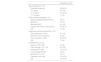
The following is Supplementary data to this article: