

SMART (stroke-like migraine attacks after radiation therapy) syndrome is a possible complication of radiotherapy used in the treatment of brain tumours. The current prevalence is not well known, partly because it is underdiagnosed.
Material and MethodsA descriptive, prospective study was designed over a period of 18 months. Demographic, clinical, analytical and neuroimaging variables were collected.
ResultsThree patients were included who, after receiving holocranial radiotherapy, developed focal neurological symptoms after a variable latency period. After ruling out other possible aetiologies, the diagnosis of SMART syndrome was established.
ConclusionThis case series aims to raise awareness among professionals of the importance of training in this pathology, especially in view of the advances in oncological treatments and the expected increase in its incidence.
El síndrome de SMART (stroke-like migraine attacks after radiation therapy) es una posible complicación de la radioterapia utilizada en el tratamiento de tumores cerebrales. La prevalencia actual es poco conocida, en parte porque está infradiagnosticada.
MetodologíaSe diseñó un estudio descriptivo y prospectivo durante un periodo de 18 meses. Se recogieron variables demográficas, clínicas, analíticas y de neuroimagen.
ResultadosSe incluyeron tres pacientes que, tras recibir radioterapia holocraneal, desarrollaron síntomas neurológicos focales después de un período de latencia variable. Tras descartar otras posibles etiologías, se estableció el diagnóstico de síndrome de SMART.
ConclusiónEsta serie de casos busca sensibilizar a los profesionales sobre la importancia de la formación en esta patología, especialmente ante los avances en los tratamientos oncológicos y el esperado incremento en su incidencia.
Article
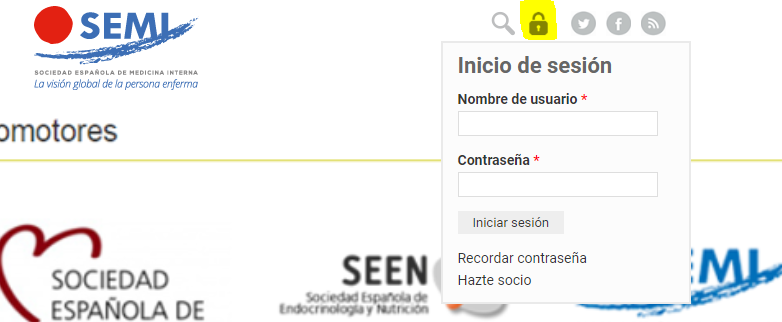
Diríjase desde aquí a la web de la >>>FESEMI<<< e inicie sesión mediante el formulario que se encuentra en la barra superior, pulsando sobre el candado.
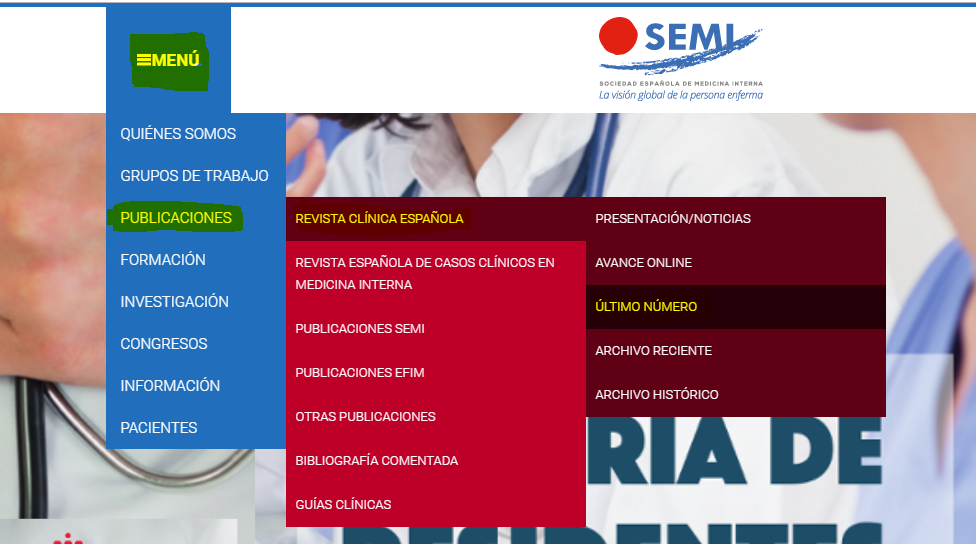
Una vez autentificado, en la misma web de FESEMI, en el menú superior, elija la opción deseada.
>>>FESEMI<<<